Waterproof Ski Bib Trousers
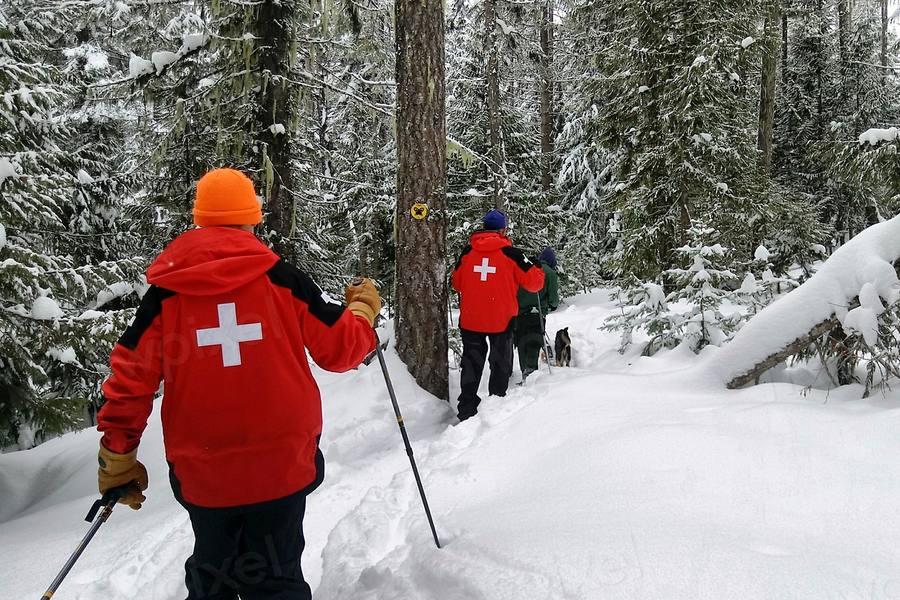
Representative image (stock photo); not the exact product.
The Waist Gap Is Real
Ordinary ski trousers and a jacket meet at the waist, and a fall in deep snow drives snow into that junction regardless of how well the jacket fits.
Bibs extend to the chest and remove the junction entirely, which keeps snow out in a way no combination of jacket length and powder skirt reliably achieves.
For anybody who falls in deep snow, which is everybody who skis deep snow, that difference is the entire case for them.
Toilet Access Is A Genuine Design Question
A bib is a single garment worn under a jacket with layers on top, which makes using a toilet considerably more involved than with separates.
Drop seats and long side zips address it, and designs intended for women vary substantially in how well they work in practice.
That is a practical rather than trivial consideration and it is worth checking specifically, since it is encountered several times a day.
Reinforcement Where It Wears
Ski trousers wear at the inside ankle where edges catch them and at the seat and knees, which is where holes appear first.
Reinforced scuff guards on the inner ankle are standard on decent trousers and absent on cheap ones, and a cut edge slices fabric instantly.
A cut through the membrane cannot be properly repaired, which makes the reinforcement more important than any amount of waterproof rating.
Venting And Overheating
Legs generate considerable heat and thigh vents are the only practical way to dump it, since a membrane alone cannot keep up during effort.
Mesh-backed vents keep snow out while venting and reduce airflow, and unlined vents flow better and let snow in on a fall.
Venting matters more on spring days and touring than in cold midwinter conditions, where the vents stay closed all day.
Fit Over Boots And Layers
Ski trousers must fit over the top of ski boots without bunching, and a leg that is too narrow rides up over a boot cuff and lets snow in.
Boot gaiters with an elastic hem and a lace hook hold the leg down over the boot, which is what keeps the seal.
Trousers must also fit over a base layer and possibly a mid layer, which means trying them on with those rather than alone.
Braces on bibs are adjustable and frequently left at the factory setting, which produces either a garment pulling uncomfortably at the shoulders or one sagging at the crotch. Setting them properly takes a moment and makes a considerable difference across a day of movement. Removable or convertible braces let a bib be worn as ordinary trousers in warm conditions, which extends the garment across a wider season.
Insulated versions exist and commit a bib to cold conditions, where an uninsulated shell bib over a base layer covers a far wider temperature range.
Chest pockets on a bib sit above a harness or hipbelt and remain reachable with a pack on, which separates cannot offer at all.
The Verdict
The better solution for anybody skiing deep snow, where reinforcement and venting matter more than waterproof numbers.
Toilet access is genuinely more awkward, unlined vents admit snow, and cut membranes cannot be repaired.
Bibs keep snow out of the gap separates cannot close. Check the toilet arrangement before buying.
At a glance
Pros
- No waist gap for snow to enter
- Stay up without a belt under a pack
- Boot gaiters seal over the boot cuff
- Thigh vents dump leg heat effectively
Cons
- Toilet access is considerably more awkward
- Warmer than separates in spring conditions
- Unlined vents let snow in on a fall
- Cut membranes cannot be properly repaired
Frequently asked questions
Why bibs rather than trousers?
They remove the waist junction where snow drives in during a fall in deep snow. No combination of jacket length and powder skirt reliably closes that gap, which is the whole case for bibs.
What about going to the toilet?
Genuinely more involved, since you are under a jacket and layers. Drop seats and long side zips address it with varying success, and designs for women differ substantially. Check that specifically — it comes up several times a day.
What should I check for durability?
Scuff guards at the inner ankle, where ski edges catch and slice fabric instantly. A cut through the membrane cannot be properly repaired, which makes the reinforcement more important than any waterproof rating.
Specifications
| Type | Waterproof bib ski trousers |
| Solves | The waist gap in deep snow |
| Practical check | Drop seat or long side zips |
| Wear points | Inner ankle, seat, knees |
| Essential | Scuff guards at the inner ankle |
| Cooling | Thigh vents |
| Mesh vents | Keep snow out; less airflow |
| Fit | Over boots and layers, gaiter hemmed |
The bottom line
Closes the gap separates cannot. Check the scuff guards and how the toilet arrangement actually works.
Check Price on Amazon